

Have you ever read a Federal Register notice and immediately felt overwhelmed by terms like “Interim Final Rule” (IFR), “License Exception STA”, or “Country Group A:1”?
You’re not alone.
Many businesses stop reading at the legal jargon, which means they often miss opportunities that could make exporting easier and more competitive.
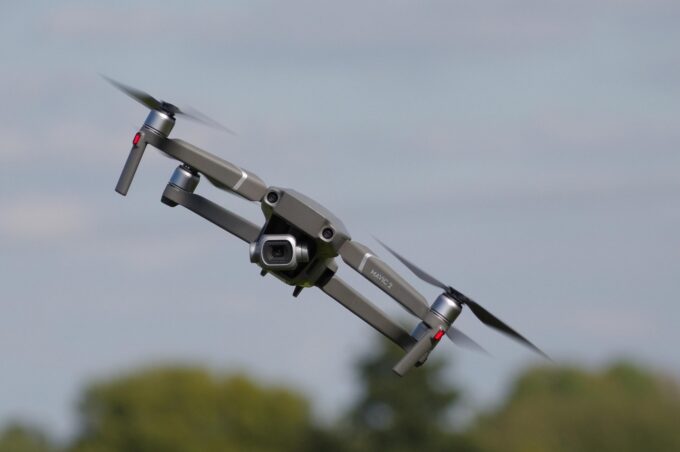
One recent example is the Bureau of Industry and Security’s (BIS) Streamlining Export Controls for Drone Exports Interim Final Rule. While the title sounds technical, the takeaway is simple, the U.S. government is making it easier for certain commercial drones to be exported to trusted countries while continuing to protect national security.
Let’s break down what this means and why it matters.
What Is an Interim Final Rule?
An Interim Final Rule (IFR) is a regulation that becomes effective before the government finishes collecting public comments. That may seem backwards at first; most federal regulations follow this path:
- Proposed Rule
- Public Comment Period
- Final Rule
However, an Interim Final Rule flips the order slightly:
- Interim Final Rule becomes effective
- Public comments are accepted
- The agency reviews comments and may revise the rule later
Think of it as moving into a house while the finishing touches are still being completed. The house is livable and the rules are in effect (such as insurance & mortgage), but adjustments can still be made based on public feedback like the color paint that goes on the walls.
Agencies typically use Interim Final Rules when they believe immediate implementation serves an important public policy objective while still giving industry stakeholders an opportunity to provide input.
That means businesses shouldn’t assume an IFR is “just a proposal.” If it has an effective date, companies generally need to comply with it unless and until it is modified.
Why Did BIS Issue This Interim Final Rule?
BIS determined that some export restrictions on commercial drones had become more burdensome than necessary.
According to BIS, many lower-risk commercial drones are already widely available from foreign manufacturers. Maintaining strict U.S. licensing requirements for these products may place American manufacturers at a competitive disadvantage without providing meaningful national security benefits.
The Interim Final Rule seeks to reduce unnecessary licensing requirements while maintaining safeguards for more sensitive technologies.
And now the exciting part…what changed?
Although every export transaction still requires a classification review, several important changes stand out.
Some Commercial Drones No Longer Need Export Licenses
Certain commercial drones meeting the requirements of the amended EAR, including qualifying UAVs with less than one hour of maximum endurance, may now be exported to many Wassenaar Arrangement participating states without an export license
For companies selling lower-risk commercial UAVs, this could significantly reduce administrative delays.
More Capable Civil Drones Receive Greater Flexibility
Certain more capable commercial UAVs, including some agricultural spraying, cargo delivery, and logistics platforms that meet the amended EAR criteria, may now qualify for License Exception STA when exported to eligible Country Group A:5 destinations.
However, “license exception” does not mean “no compliance.”
A license exception does not eliminate export compliance obligations. Companies using STA must still determine that the transaction is eligible, provide required notifications, obtain any required Prior Consignee Statements, maintain appropriate records, and satisfy all other applicable EAR requirements. Export controls remain in place.
The government is simply modifying controls to better match today’s commercial drone market while continuing to regulate technologies that present greater national security concerns.
Some questions you may be asking:
“Can I now ship drones anywhere?”
Definitely not. Export eligibility still depends on several factors, including product classification, destination country, end user, end use, and applicable license exceptions.
Every export transaction still requires a compliance review.
“What’s the difference between Country Group A:1 and A:5?”
This can be one of the most confusing parts of the EAR.
These country groups identify nations that the United States considers lower risk for certain export purposes. Different license exceptions apply to different country groups.
Just because a country appears in one group doesn’t automatically mean every export is authorized. Eligibility still depends on the specific item and applicable regulations.
“If the rule is still accepting comments, should I wait?”
Usually, no. If the rule has already become effective, businesses should operate under the current requirements while monitoring for future changes. Waiting until the comment period closes could mean missing new opportunities or misunderstanding your compliance obligations. Compliance Is Still Essential.
One misconception is that “streamlining” means companies no longer need export compliance programs.
Simplified rules often make proper classification even more important.
Businesses must still perform a thorough export compliance review to determine the applicable regulations, product classification, licensing requirements, screening obligations, and recordkeeping responsibilities.
The rule may reduce licensing requirements for some exports, but it does not eliminate compliance responsibilities.
The Bottom Line
The new drone export Interim Final Rule is good news for many U.S. manufacturers and exporters.
By easing restrictions on certain lower-risk commercial drones and expanding export flexibility for trusted partner countries, BIS is attempting to strike a balance between promoting American competitiveness and protecting national security.
But understanding the opportunity requires understanding the rules.
An Interim Final Rule is not a draft; it is generally effective immediately while remaining open to public comment. For exporters, that means the time to evaluate how the changes affect your business is now.
When regulations evolve, companies that understand the details are often the ones best positioned to take advantage of new opportunities while staying compliant.
Not sure how the rule applies to your products?
Every export is different. Our Trade Compliance Consultants can help you determine the correct classification, evaluate license requirements, and identify whether your shipments may qualify for a license exception. Reach out today to ensure you’re taking advantage of the rules while staying fully compliant.
Michelle Brown is a Trade Compliance Consultant for Export Solutions -- a full-service consulting firm specializing in U.S. import and export regulations.